Pelvic health isn’t something many of us talk about openly. Yet problems such as bladder leaks, pelvic pain, discomfort during exercise and changes following pregnancy or menopause are surprisingly common.
For some people, these symptoms can have a significant impact on everyday life. They might avoid certain activities, feel uncomfortable exercising, struggle with confidence or simply accept that these changes are an inevitable part of getting older or having children.
Pelvic health physiotherapy can help identify the underlying causes of many pelvic floor problems, improve muscle function and give you the knowledge and tools to manage your symptoms.
At Bridge Health & Wellbeing in Christchurch, Dorset, we offer specialist pelvic health physiotherapy in a friendly, supportive environment, helping women and men feel more comfortable, confident and in control of their health.
What is pelvic health physiotherapy?
Pelvic health physiotherapy is a specialist area of physiotherapy focusing on the muscles, joints, ligaments and connective tissues that support the pelvic organs and help control bladder and bowel function.
An important part of this is the pelvic floor. The pelvic floor is a group of muscles and tissues that sit at the bottom of the pelvis. They provide support for the bladder, bowel and, in women, the uterus. They also play an important role in bladder and bowel control, sexual function, posture and core stability.
Like any other muscle group, the pelvic floor can become weakened, overly tight or dysfunctional. This can happen for several reasons, including pregnancy, childbirth, hormonal changes, surgery, ageing, injury and certain medical conditions.
Pelvic health physiotherapy looks at how these muscles are working and whether they are contributing to the symptoms you are experiencing. It’s not just about handing out exercises to strengthen the pelvic floor. Sometimes the muscles need to learn to relax, coordinate or respond differently to movement and everyday activities.
What problems can pelvic health physiotherapy help with?
Pelvic health physiotherapy can support people experiencing a wide range of symptoms and conditions. Some of the most common reasons people seek help include:
- Bladder leaks and urinary incontinence
Leaking urine when coughing, sneezing, laughing, running or exercising is often referred to as stress urinary incontinence. Other people experience a sudden, urgent need to pass urine, sometimes struggling to reach the toilet in time. This may be associated with an overactive bladder.
Although these problems are common, they aren’t something you simply have to accept. A specialist assessment can help identify what’s contributing to the symptoms and whether pelvic floor training, relaxation techniques or other approaches may help.
- Pelvic organ prolapse
Pelvic organ prolapse occurs when one or more of the pelvic organs move downwards towards the vaginal opening because the supporting structures are no longer providing sufficient support.
Symptoms can include a feeling of heaviness, pressure or dragging in the pelvic area, sometimes accompanied by bladder or bowel difficulties.
Pelvic health physiotherapy can help improve pelvic floor function, provide advice on managing activities and develop an appropriate exercise programme.
- Pregnancy and postnatal recovery
Pregnancy and childbirth place considerable demands on the pelvic floor and surrounding muscles. Some women experience pelvic girdle pain, back discomfort, bladder leaks or difficulty regaining strength and confidence following childbirth.
Pelvic health physiotherapy can help address these issues, supporting recovery and helping women return to everyday activities and exercise safely and progressively.
- Pelvic pain and discomfort
Pelvic pain can have different causes and affect people in different ways. Some people experience persistent discomfort in the lower abdomen, pelvis or lower back, while others experience pain during intercourse or when sitting for prolonged periods. Conditions such as endometriosis can also be associated with pelvic pain.
A specialist physiotherapist can assess the muscles and structures involved and help identify appropriate ways to manage symptoms.
- Bowel problems
The pelvic floor plays an important role in bowel control and emptying. Problems such as constipation, difficulty emptying the bowel and faecal incontinence can sometimes be associated with pelvic floor dysfunction.
Physiotherapy may help improve muscle coordination and provide practical advice to support better bowel habits.
- Pelvic health following surgery
Operations such as hysterectomy or prostate surgery can affect pelvic floor function. A tailored physiotherapy programme can help support recovery, improve muscle control and address problems such as urinary incontinence.
Do men need pelvic health physiotherapy too?
Absolutely. Pelvic health problems aren’t exclusive to women, although they are often discussed in relation to pregnancy and childbirth.
Men can also experience pelvic floor dysfunction, urinary incontinence, pelvic pain, chronic constipation and erectile dysfunction. These symptoms can sometimes develop following prostate surgery, but they can also occur for other reasons.
Specialist pelvic health physiotherapy can help men understand how their pelvic floor is functioning and explore appropriate treatment and rehabilitation options.
What happens during a pelvic health physiotherapy appointment?
If you’ve never had pelvic health physiotherapy before, you might feel a little nervous about what to expect.
At Bridge Health & Wellbeing, the starting point is always understanding you, your symptoms and how they are affecting your everyday life. Your initial appointment will normally involve a detailed discussion about your medical history, symptoms, lifestyle and any particular concerns you have.
Our specialist, Mareen Frost, may then carry out an appropriate physical assessment to understand how your muscles and joints are functioning. An internal examination may sometimes be recommended to assess the pelvic floor muscles more closely, but this is only undertaken with your informed consent and is not automatically required.
Following your assessment, your physiotherapist will explain their findings and discuss an individual treatment plan. Depending on your needs, this might include:
- Pelvic floor strengthening exercises.
- Techniques to help relax and release overactive muscles.
- Breathing and relaxation techniques.
- Advice on posture, movement and everyday activities.
- Exercises to improve core stability and coordination.
- Guidance on returning to exercise following pregnancy or surgery.
- A home exercise programme tailored to your needs.
The aim is to help you understand your body, improve muscle function and develop strategies that you can continue using beyond your appointments.
Why pelvic health is about more than just your pelvic floor
One of the most important things to understand is that the pelvic floor doesn’t work in isolation. It forms part of a wider network of muscles that help support the spine, pelvis and abdomen. Breathing, posture, movement and overall strength can all influence how effectively these muscles work.
This is why an integrated approach to pelvic health can be so valuable.
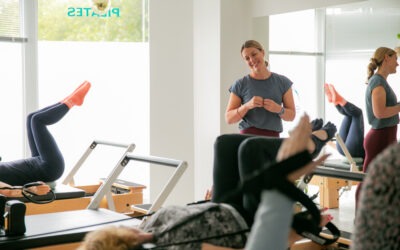
At Bridge Health & Wellbeing, our approach brings together specialist physiotherapy with exercise and wellbeing services, including Pilates and yoga. Where appropriate, these can complement your individual treatment and help you develop strength, coordination and confidence in movement.
Our specialist pelvic health physiotherapist, Mareen Frost, has a particular interest in pelvic floor health for both women and men. Her additional training in yoga and Pilates helps inform her approach to supporting clients with practical exercises and strategies they can incorporate into everyday life.
Don’t let embarrassment stop you from seeking help
Pelvic health symptoms can feel personal, and many people find them difficult to discuss. But you aren’t alone, and you don’t need to simply put up with discomfort, bladder leaks or other symptoms that are affecting your quality of life.
At Bridge Health & Wellbeing in Christchurch, Dorset, we provide friendly, professional pelvic health physiotherapy in a welcoming environment where your concerns will be taken seriously.
Ready to take the first step towards better pelvic health?
Book an appointment with Mareen online or visit our pelvic health physiotherapy page to find out more about how we can help.