We often think about bone health as something we only need to worry about as we get older. But our bones are living tissue, and looking after them is an important part of long-term health at every stage of life.
You may have heard the terms osteopenia and osteoporosis, particularly if you’ve had a bone density scan. But what do they actually mean? And if you’ve been told you have osteopenia or osteoporosis, can exercise really help?
The short answer is yes. Staying active can play an important role in supporting bone health. However, the appropriate type and intensity of exercise can vary from person to person.
What is osteopenia?
Osteopenia means your bone density is below the normal range for a young adult, but not low enough to be classified as osteoporosis. Bone density refers to the amount of bone tissue within your bones.
It’s important to understand that having osteopenia doesn’t automatically mean you will develop osteoporosis. It is one factor that can contribute to your risk of breaking a bone, alongside other factors such as age, previous fractures, family history, certain medications and other health conditions.
What is osteoporosis?
Osteoporosis means that bones have become weaker and more fragile, increasing the risk of fractures. It is sometimes described as a condition in which bones become more porous, but the key point is that reduced bone strength can make fractures more likely.
Osteoporosis doesn’t necessarily cause noticeable symptoms. In fact, some people don’t know they have it until they experience a fracture. That’s one reason why understanding your individual risk factors and looking after your bone health is so important.
So, what’s the difference?
Put simply:
Osteopenia: Bone density is lower than normal, but not low enough to meet the definition of osteoporosis.
Osteoporosis: Bones are weaker, and the risk of fractures is higher.
However, bone density isn’t the only consideration when assessing fracture risk. Healthcare professionals may consider your bone density alongside other risk factors when deciding whether further assessment or treatment is appropriate.
Having osteopenia doesn’t mean that osteoporosis is inevitable. There are positive steps you can take to support your bone health.
How can exercise help your bones?
This brings us back to the subject of our previous blog: strength training isn’t just for athletes.
Your bones respond to the demands placed upon them. According to the Royal Osteoporosis Society, staying active can help maintain or improve bone strength, with strength and impact exercise both playing an important role.
- Strength training
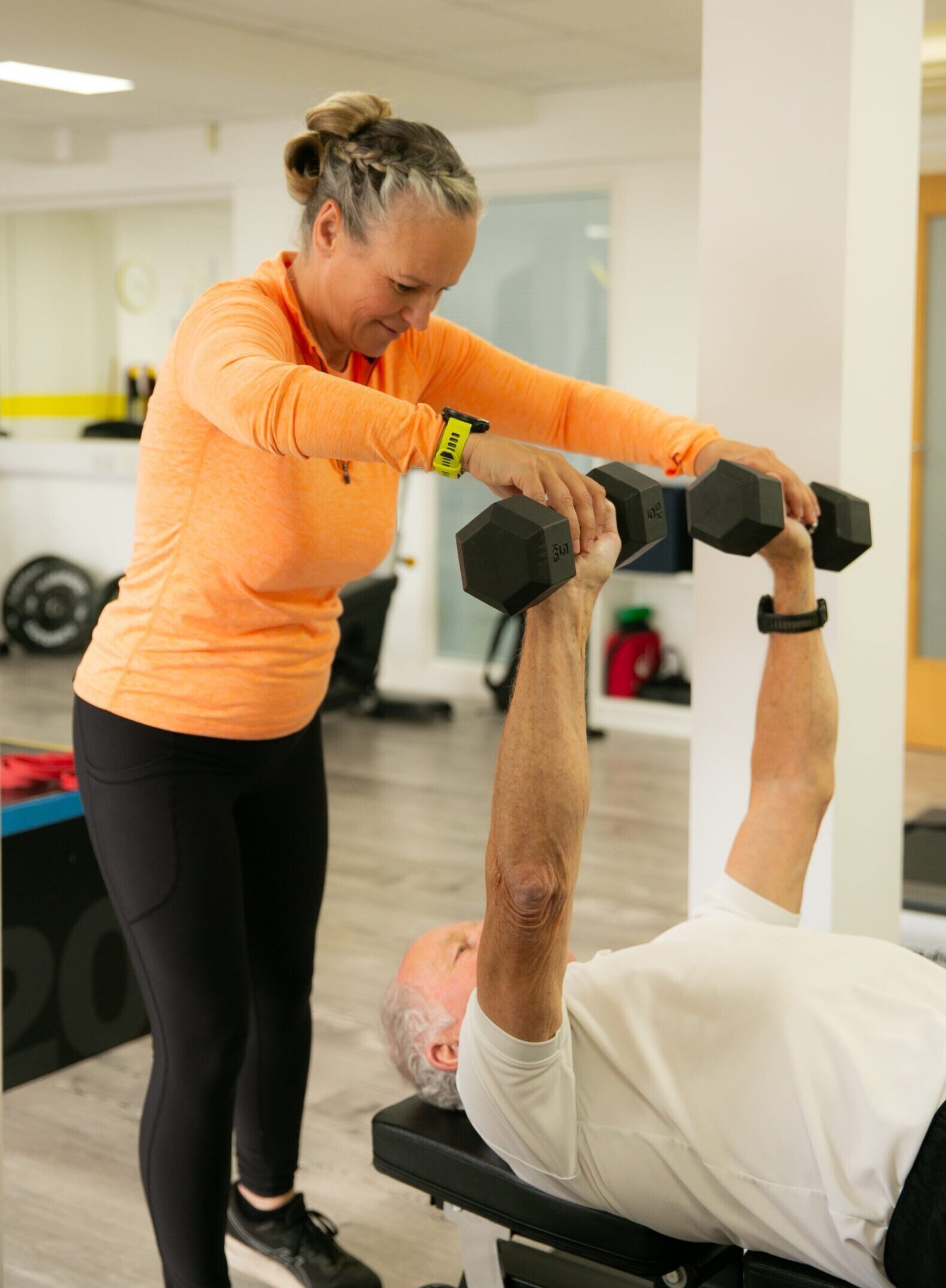
Strength training involves working your muscles against resistance. That resistance might come from:
- Your own body weight
- Resistance bands
- Dumbbells or other weights
- Exercise equipment
- Functional movements
As your muscles work against resistance, the bones also get loaded, making them stronger. Strength training will also help improve your balance, which may help reduce the risk of falls.
You don’t need to start with heavy weights. For someone new to strength training, bodyweight exercises or light resistance may be an appropriate starting point, with progression over time. The key is to build gradually and use good technique.
- Weight-bearing and impact exercise
Impact exercise is another important part of bone health. This is exercise where you’re on your feet, and additional force travels through your bones.
Examples can include:
- Walking
- Stair climbing
- Jogging
- Dancing
- Tennis
- Other appropriately selected weight-bearing activities
The amount of impact varies considerably between activities. The Royal Osteoporosis Society recommends starting at a level that’s appropriate for your current fitness and gradually building up. Low-impact activities such as walking and stair climbing can be a useful starting point, while moderate-impact activities can provide greater stimulus for bone strength where appropriate.
High-impact exercise isn’t necessary for everyone. The right level depends on the individual, their bone health, fitness and other health considerations.
- Balance exercises
Bone health isn’t only about making bones stronger. Reducing the likelihood of falls is also important because falls can lead to fractures.
Exercises that challenge balance and improve muscle strength can help you feel steadier and more confident on your feet. This is particularly relevant as we get older.
Building strength, balance and confidence can help support our ability to continue doing the things we enjoy.
What about Pilates?
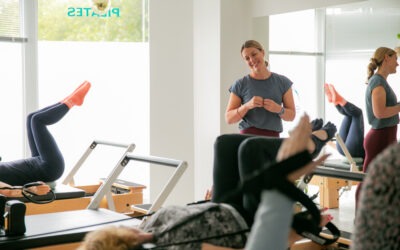
If you enjoy Pilates, you don’t necessarily have to stop because you’ve been diagnosed with osteoporosis. Pilates can help maintain bone strength, improve muscle strength and balance, support posture and help manage pain. However, some Pilates movements may need to be adapted for people with osteoporosis, particularly movements involving excessive spinal flexion.
This is a good example of why individual advice matters. Exercise isn’t simply a case of deciding that something is “good” or “bad” for osteoporosis. The right exercise, technique and intensity depend on the person.
Is it safe to exercise if you have osteoporosis?
For most people with osteoporosis, exercise can be done safely. But that doesn’t mean every exercise is appropriate for everyone.
The Royal Osteoporosis Society recommends speaking to your doctor or physiotherapist before starting exercise if you have a history of multiple fractures or spinal fractures, are recovering from a broken bone, or have concerns about your individual circumstances.
If you’re new to exercise, it’s also sensible to build up gradually rather than trying to do too much too soon.
Exercise isn’t a replacement for medical treatment
Remember that exercise is only one part of managing bone health. Medication may be recommended if your fracture risk is high. Your doctor or healthcare professional can advise you about your individual risk and whether further assessment or treatment is appropriate.
Looking after your bones is about more than one type of exercise
No single exercise will magically protect your bones. Think about the bigger picture:
- Strength
- Weight-bearing activities
- Impact, where appropriate
- Balance
- Recovery
- Good nutrition and other healthy lifestyle habits
You don’t need to become an athlete to look after your bones. You need to find activities that suit you and that you can keep doing regularly.
Take the next step for your bone health
At Bridge Health & Wellbeing, our integrated physiotherapy and exercise-based approaches can help you understand how to move safely and build strength appropriately. Book an appointment online or contact Reception for help on 01202 473800.
For further information, the Royal Osteoporosis Society has a particularly useful collection of resources on exercise, including guidance on strength, impact, balance and exercising safely with osteoporosis: https://theros.org.uk/information-and-support/exercise/